When it comes to painting projects, there is a big difference between residential and commercial painting. Residential painting involves painting the interior and exterior of a home, while commercial painting typically applies to the interior and exterior of businesses, offices, and other large buildings. Both residential and commercial painting involve careful planning, selection of materials, and use of different techniques. In this blog post, we will discuss the distinctions between residential and commercial painting, and the considerations that go into each type of project.
What is Residential Painting?
Residential painting refers to the process of painting the interior and exterior of houses, apartments, and other residential buildings. It involves enhancing the aesthetics and protecting the surfaces from damage and deterioration. Residential painting projects can range from small touch-ups to complete repainting of a property.
In residential painting, the focus is on creating a comfortable and visually pleasing environment for homeowners. It involves careful color selection, considering the homeowner’s preferences and the overall design of the space. Residential painters also pay attention to the details, such masking and protecting furniture, fixtures, and flooring.

Planning for Residential Projects
When it comes to planning for residential painting projects, there are a few key considerations to keep in mind. First and foremost, it’s important to communicate and collaborate with the homeowners to fully understand their expectations and needs. This includes discussing color preferences, design elements, and any specific requirements they may have.
Another crucial aspect of planning for residential projects is creating a detailed timeline. This timeline should outline the various stages of the painting process, from prepping the surfaces to applying the final coats. It’s essential to set realistic deadlines and factor in any potential delays that may arise.
In addition, planning for residential projects involves assessing the scope of the job and determining the necessary resources. This includes calculating the amount of paint and materials needed, as well as considering any equipment or tools that may be required.
What is Commercial Painting?
Commercial painting refers to the process of painting the interior and exterior of businesses, offices, and other large buildings. Unlike residential painting, commercial painting focuses on creating a professional and welcoming atmosphere for employees, clients, and customers. This often involves selecting neutral or brand-specific colors that align with the business’s aesthetic and values.
Commercial painting projects are typically larger in scale and complexity compared to residential projects. They require careful planning and coordination to ensure minimal disruption to business operations. Commercial painters often work during off-hours or on weekends to avoid interfering with daily business activities.
Planning for Commercial Projects
When it comes to planning for commercial painting projects, there are several important factors to consider. First and foremost, effective communication and collaboration with business owners or facility managers are crucial. Understanding their specific needs and expectations is key to delivering a finished project that meets their requirements.
In addition to communication, detailed planning and coordination are essential for commercial projects. This involves creating a comprehensive timeline that outlines all stages of the painting process and aligns with the business’s operating hours. Planning should also include considerations for minimizing disruptions to daily operations and ensuring the safety of employees and customers.
Furthermore, when planning for commercial projects, it’s important to evaluate the scope of the job and allocate the necessary resources. This includes estimating the amount of paint and materials required, as well as any specialized equipment or tools needed for larger or more complex spaces.

Materials for Residential Painting
When it comes to residential painting, choosing the right materials is crucial for achieving a high-quality and long-lasting finish. The materials used in residential painting should not only enhance the appearance of the space but also provide durability and protection against the elements.
One of the most important materials for residential painting is the paint itself. It’s important to select high-quality paint that is specifically designed for residential use. This ensures better coverage, color retention, and resistance to fading and peeling. Additionally, consider factors such as low VOC (volatile organic compounds) paint options to reduce harmful emissions.
Another essential material is the primer. Primers create a smooth surface for paint to adhere to, ensuring better coverage and longevity. They also help to seal and protect the underlying surface from stains, moisture, and other damaging elements.
Materials for Commercial Painting
When it comes to commercial painting projects, selecting the right materials is crucial for achieving a professional and long-lasting finish. The materials used in commercial painting must be durable, resistant to wear and tear, and able to withstand heavy foot traffic.
One of the key materials for commercial painting is the paint itself. It’s important to choose high-quality, commercial-grade paint that is specifically designed for large-scale projects. This type of paint offers better coverage, durability, and resistance to fading and peeling. Consider factors such as low VOC (volatile organic compounds) options, which help reduce harmful emissions in indoor environments.
In addition to paint, commercial painting projects often require specialized coatings or finishes for certain surfaces. These may include anti-graffiti coatings, high-performance coatings for exterior surfaces, or fire-resistant coatings for specific areas.
Techniques Used in Residential Painting
When it comes to residential painting, there are various techniques that professional painters utilize to achieve the desired results. One common technique is called cutting-in, which involves using a brush to carefully paint along edges, corners, and trim where a roller cannot reach. This technique ensures clean and precise lines, giving the paint job a polished look.
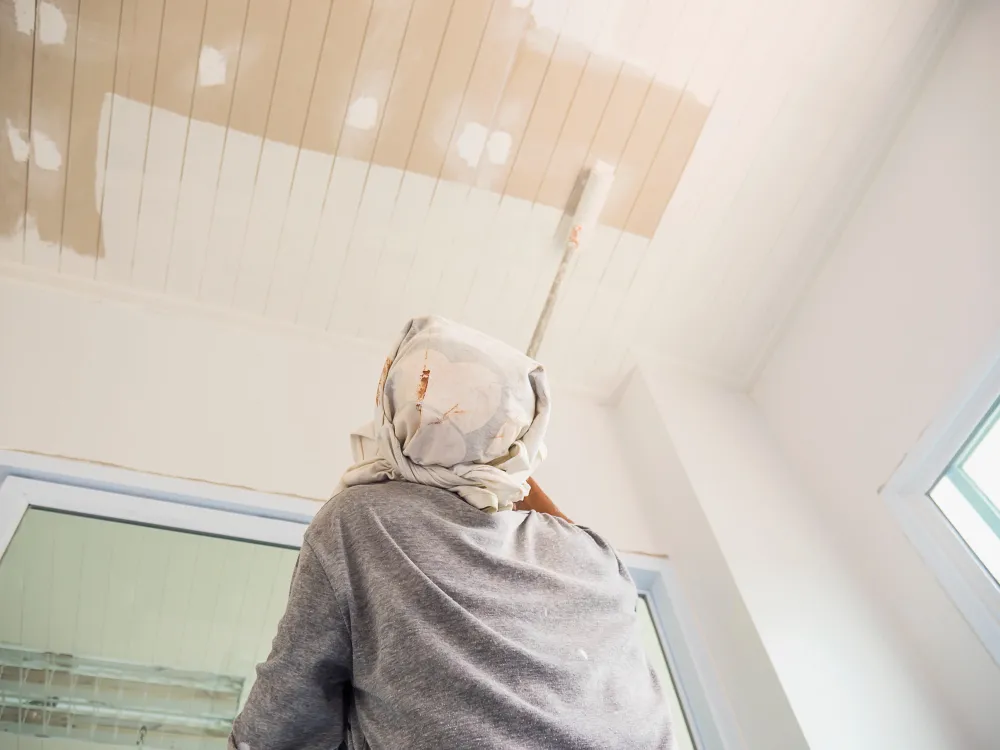
Another technique used in residential painting is called rolling, where a roller is used to apply paint to larger, flat surfaces. It is important to use the right roller nap for the type of surface being painted, whether it’s smooth, semi-textured, or textured. Additionally, painters often use techniques such as feathering, where they blend different brush strokes or roller marks to create a smooth and consistent finish. These techniques, along with proper surface preparation and paint application, help residential painters achieve professional-looking results that transform homes into beautiful spaces.
Techniques Used in Commercial Painting
Commercial painting projects require the use of specific techniques to achieve professional and visually appealing results. One common technique used in commercial painting is spray painting. This method allows for fast and efficient coverage of large areas, such as the exterior walls of a building. Spraying also creates a smooth and even finish, giving the paint job a polished look. Another technique commonly used in commercial painting is the use of airless sprayers, which provide a higher level of control and precision when applying paint. This is especially useful for intricate areas, such as window frames or trim.
Additionally, commercial painters often utilize the technique of back rolling, which involves using a roller to ensure an even distribution of paint and to remove any excess or uneven application. By using these techniques, commercial painters can achieve consistent and professional results, transforming businesses into welcoming and visually appealing spaces.
Common Challenges in Residential Painting
Residential painting projects come with their own set of challenges that painters must navigate to achieve a successful outcome. One common challenge in residential painting is surface preparation. Homes often have a variety of surfaces, such as drywall, wood, and stucco, each requiring specific preparation techniques. This includes cleaning, patching holes, and sanding to ensure a smooth and even finish.
Another challenge is dealing with older homes that may have lead-based paint. Proper precautions must be taken to safely remove or encapsulate this hazardous material. Additionally, working around furniture and personal belongings can be challenging, requiring careful masking and protection. Lastly, weather conditions can impact exterior painting, such as high humidity or extreme temperatures. Overall, residential painters must be adaptable and skilled in overcoming these challenges to deliver a high-quality paint job that exceeds homeowners’ expectations.

Common Challenges in Commercial Painting
Commercial painting projects present their own unique set of challenges that painters must overcome to ensure a successful outcome. One of the common challenges in commercial painting is working in busy environments. Unlike residential projects, commercial spaces are often bustling with employees, customers, and machinery. Painters must navigate around these obstacles and coordinate their work to minimize disruptions to business operations.
Another challenge is dealing with large-scale projects. Commercial buildings are often larger and require more paint, materials, and equipment. This means that painters must carefully plan and manage their resources to ensure they have enough supplies to complete the job efficiently. Additionally, commercial painters must consider the specific requirements of different industries. Some businesses may have strict regulations or safety standards that painters must adhere to.
Lastly, weather conditions can pose challenges for commercial painting projects, especially when working on the exterior of buildings. Rain, wind, and extreme temperatures can affect paint adhesion and drying times. Painters must monitor the weather forecasts and plan accordingly to avoid any potential issues.